Most Aucklanders believe they recycle correctly, but household recycling is still heavily contaminated. Too much rubbish ends up in recycling bins, and large amounts of recyclable material are lost to landfill because of it.
Around one-third of material collected from Auckland’s kerbside recycling bins each year is ultimately sent to landfill. This includes non-recyclable items and contamination that ruins otherwise recyclable loads.
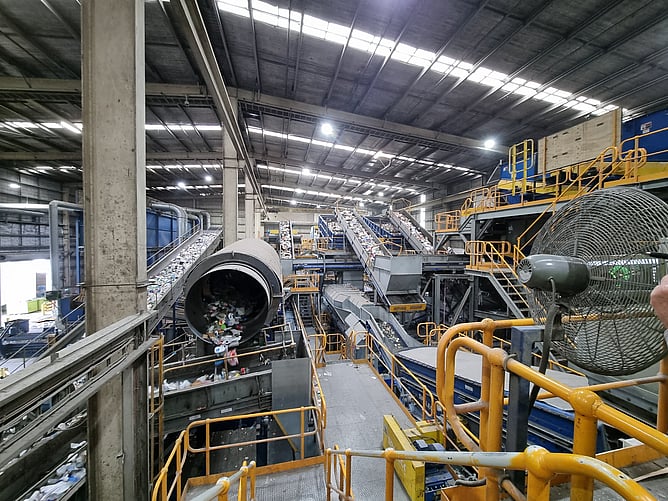
Auckland’s recycling is processed at a large sorting facility in Penrose, where roughly 140 to 150 truckloads arrive daily. Everything must be sorted the same day before the next loads arrive. At that scale, there is no time for manual correction — the system relies on households putting the right items in the right bin.
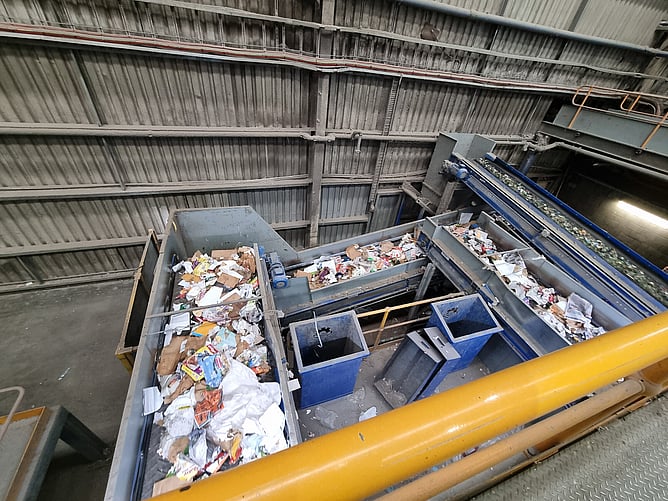
The sorting machinery is advanced, but it can only process specific materials, shapes and sizes. Soft plastics are a major problem because they wrap around machinery and can shut entire sorting lines down. Small items, generally anything under 5cm, often fall through the equipment and end up in landfill even if technically recyclable. Lightweight plastics such as takeaway container lids can also contaminate paper recycling because they are mistaken for cardboard.
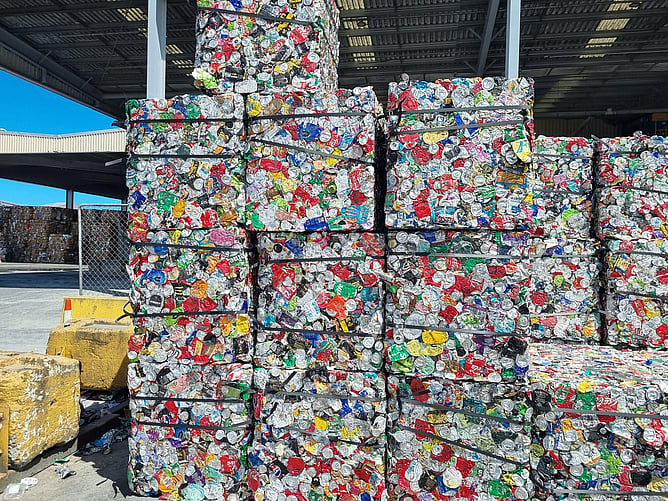
Bottle lids create issues too. Plastic bottles are compressed into dense bales for transport, and lids left on can fire off under pressure, damaging machinery or injuring workers. Lids are also often made from different plastics than the bottles themselves.
Kerbside recycling is designed for a limited range of household packaging: paper and cardboard, glass bottles and jars, cans, and plastic containers marked 1, 2 or 5. It is not a catch-all bin for anything made of plastic, metal, glass or paper. Items like batteries, aerosol cans, drinking glasses, glossy wrapping paper and receipts can contaminate the process or create safety risks.
Dirty recycling is another issue. Food residue and liquids reduce the quality of recycled materials and can ruin entire batches. A quick rinse before putting containers in the bin makes a significant difference.
Industry workers say the biggest problem is ordinary rubbish being placed in recycling bins. The Penrose facility reportedly removes around nine tonnes of landfill waste every hour from Auckland’s recycling stream.
Recycling properly matters. Correct recycling reduces the need to mine raw materials, cut down trees and manufacture products from scratch. Small actions — rinsing containers, removing lids and checking recycling symbols — make a real difference across an entire city.
If in doubt, leave it out.
Where to Take Things That Can’t Go in Your Kerbside Recycling Bin
Soft plastics (bags, wrappers, film packaging) — Soft plastic bins at New World Waiuku, Warehouse Pukekohe, Woolworths Pukekohe South or Takanini
Lids (plastic lids from bottles/jars and flat plastic lids from ice cream/takeaway containers…) — Waiuku Zero Waste or participating schools (including Waiuku Primary School)
Batteries — Battery drop-off points (Waiuku Zero Waste, Mitre 10, participating retailers, or hazardous waste collections)
Aerosol Cans — empty cans only, Waiuku Zero Waste
Dirty Containers — Rinse and recycle or rubbish bin if unclean
Tetra pak containers — Waiuku Zero Waste, if rinsed, sliced open, and flattened.
Coated / Glossy Paper or Cardboard — Rubbish bin
Glass (drinking glasses, Pyrex, window glass) — Rubbish bin